FHA Loan Tulsa helps first-time buyers purchase homes with low credit and as little as 3.5% down. With flexible requirements and Tulsa’s affordable housing market, it offers an easier path to homeownership compared to conventional loans.
Home Buying in Tulsa
Buying a home is part dream, part paperwork mountain, and part nerve-wracking silence while you wait for loan approval. If you've been eyeing Tulsa's housing market but feel tripped up by credit scores or down payment math — this is the read you've been putting off.
So, What Actually Is an FHA Loan?
Here's the short version: an FHA loan is a mortgage backed by the Federal Housing Administration. The government doesn't hand you cash directly — instead, it insures the loan, which means lenders carry far less risk. And when lenders feel protected? They get more generous with approvals.
That's the whole trick. Buyers who'd normally get turned away from conventional loans - people with imperfect credit, smaller savings, or a thin financial history - suddenly have a real shot at homeownership.
Quick Snaps
- ✦Built for buyers with lower credit scores — not punished for them
- ✦Down payments as low as 3.5% of the purchase price
- ✦Massively popular with first-time home buyers across the U.S.
Tulsa's housing market is especially well-suited for this. Compared to coastal cities where a starter home might cost $700k, Tulsa stays relatively affordable — which means FHA financing can actually get you across the finish line, not just closer to it.
Think of FHA loans as the mortgage world's welcoming committee. Not a free pass — there are still rules, still requirements — but far less intimidating than the conventional path.
FHA Loan Requirements: The Real Checklist
Before you get excited and start scrolling Zillow, understand the baseline requirements. Lenders can add their own layers on top, but these are the FHA minimums every borrower needs to clear:
Primary Residence Only
This can't be a vacation home or an investment property — it must be where you actually live.
FHA Appraisal
The property must pass an FHA-specific appraisal — stricter than conventional standards.
Steady Income Proof
You'll need to show verifiable, consistent income — pay stubs, tax returns, the works.
The good news? Compared to conventional mortgages, FHA requirements are genuinely more forgiving. That's not marketing spin — it's the actual design intent.
How to Qualify: Five Practical Steps
You don't need to be a financial wizard. You just need a plan. Here's how to approach the FHA loan process without losing your mind:
01
Pull Your Credit Report
Your FHA loan credit score determines your down payment tier and approval odds. Know your number before anyone else does — and dispute any errors you find.
02
Run the Numbers with a Calculator
An FHA loan calculator isn't just a tool — it's a reality check. Plug in your income, estimated rate, and property taxes to see what monthly payment actually looks like.
03
Map Out Your Down Payment
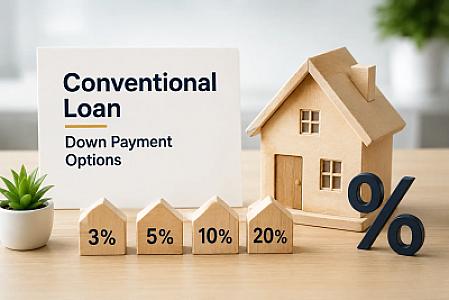
FHA borrowers typically only need 3.5% down. On a $250,000 home, that's $8,750 — not $50,000. That difference alone changes everything for most buyers.
04
Gather Your Documents
Tax returns, pay stubs, bank statements, employment verification. Get these organized early — scrambling for paperwork mid-approval is stressful and avoidable.
05
Get Pre-Approved
Pre-approval isn't just paperwork — it's credibility. Sellers take pre-approved buyers far more seriously, and it gives you a real ceiling to shop within.
The Credit Score Conversation You Need to Have With Yourself
FHA loans are more lenient on credit than most people realize. Here's the breakdown that actually matters:
580+
3.5% down payment — the standard, most common route for FHA buyers
500–579
Technically qualifies, but requires 10% down — and many lenders won't go there
Below 500
FHA guidelines say no — focus on rebuilding before applying
If your score sits somewhere in the gray zone, don't despair — and don't give up. Even a 20–30 point improvement can flip your approval odds significantly. Pay down balances, avoid new credit inquiries, and fix any reporting errors. These aren't big moves, but they compound fast.
FHA vs Conventional: The Honest Comparison
This debate comes up constantly — and the answer is genuinely: it depends. Neither option is universally better.

Choose FHA When You...
- Have a credit score below 680
- Can't put more than 5–10% down
- Are buying your first home
- Have a higher debt-to-income ratio
Consider Conventional When...
- Your credit is 720 or higher
- You have 20% saved for down payment
- You want to skip mortgage insurance
- You're buying an investment property
Worth noting: FHA loans require mortgage insurance premiums (MIP) for the life of the loan in most cases. That's a real ongoing cost. Conventional loans let you drop PMI once you hit 20% equity. If you have strong credit and savings, that detail alone might tip the scales.
What the FHA Loan Calculator Actually Tells You
Think of an FHA loan calculator as the GPS for your home-buying journey. It doesn't drive the car — but it'll tell you if that neighborhood is within reach or not.
"Earning around $60,000 a year? You're likely looking at homes in the $220,000–$260,000 range — depending on your existing debts and the current interest rate environment."
These numbers are estimates, not guarantees. But they keep you from falling in love with a $350,000 home when your budget tops out at $260,000. That heartbreak is preventable.
The best calculators factor in loan amount, estimated interest, down payment, property taxes, and insurance — all at once. Use one before you even talk to a lender.
Why First-Time Buyers Keep Coming Back to FHA
The FHA first-time home buyer program isn't just popular — it's popular for very specific, practical reasons.
Buying your first home is financially overwhelming. You're managing a down payment, closing costs, moving expenses, and suddenly everyone wants to sell you something. FHA loans reduce the pressure at the most important pressure point: the upfront cash requirement.
What FHA Offers First-Timers
Low Down Payment
Flexible Credit
Competitive Rates
DTI Flexibility
Instead of spending years saving a 20% down payment, you enter the market sooner — and start building equity from month one. There's something deeply satisfying about paying a mortgage on your walls instead of your landlord's investment.
Meet Sarah: A Tulsa Buyer Who Made It Work
Real numbers. Real situation. No glossing over the anxiety of it.
Case Study
Credit Score
602
Savings
$9,000
Annual Income
$58,000
Sarah thought her credit score would disqualify her. A lender walked her through the FHA path instead. Here's what happened:
Home price: $235,000
Down payment: 3.5% ($8,225)
Loan approved with FHA financing
Closed in 45 days. Monthly payment? Close to what she was paying in rent.
The biggest shift wasn't financial — it was psychological. Every payment now builds something she owns. That's a different kind of Monday morning.
Five Mistakes That Quietly Kill FHA Approvals
FHA flexibility has limits. Buyers still find ways to trip up the process — usually right when things are going well.
Big Purchases Before Closing
Financing a new car between pre-approval and closing can push your debt-to-income ratio past the acceptable threshold. Lenders re-check this before funding.
Changing Jobs Suddenly
Employment stability matters enormously to lenders. Even a lateral move to a better-paying job can create delays or complications if it happens mid-process.
Ignoring Credit Report Errors
Incorrect collections, outdated balances, accounts that aren't yours — these can drag your score down unfairly. Dispute errors early, not last minute.
Skipping Pre-Approval
Shopping for homes without pre-approval is like grocery shopping without a wallet. You might find what you want, but you can't actually take it home.
Underestimating Closing Costs
Budget 2–5% of the home's price for closing costs — on top of your down payment. Many buyers are shocked by this. You shouldn't be.
Questions People Actually Ask
Q: What credit score do I need for an FHA loan?
Most lenders want to see 580 or higher for the standard 3.5% down path. Scores between 500–579 may still qualify but require 10% down — and many lenders simply won't go that low.
Q: Can first-time buyers use FHA loans?
Absolutely — and most do. That said, FHA loans aren't restricted to first-timers. Anyone who meets the requirements can apply.
Q: Is FHA always better than a conventional loan?
Not always. If your credit is strong and you have 20% saved, conventional might save you money long-term by avoiding mortgage insurance. Run the numbers for your specific situation.
Q: Can I buy in Tulsa with a low credit score?
Yes. That's literally what FHA loans were designed for. Tulsa's housing prices make this even more feasible — lower purchase prices mean lower loan amounts and more manageable payments.

Is an FHA Loan the Right Call for You?
For a lot of Tulsa buyers — especially those buying their first home — the answer is a quiet, confident yes. Lower down payments, flexible credit standards, and competitive rates. It's not a workaround; it's a legitimate path that millions of Americans have used to stop renting and start owning.
Start by checking your credit score. Use an FHA loan calculator to map out what you can realistically afford. Then talk to a lender who actually knows the Tulsa market and can walk you through the full picture.
Your keys are closer than you think.
The only thing better than dreaming about your future Tulsa home is actually living in it.