FHA Construction Loan help for Tulsa buyers. Review builder rules, land needs, appraisal steps, and costs, then start your loan review with confidence.
Many Tulsa-area buyers want to build a home instead of buying an existing property. The challenge is knowing whether FHA financing can help with land, builder costs, construction, appraisal, and the final mortgage.
An FHA Construction Loan is often used as a search term by buyers who want FHA financing connected to building a home. Depending on the situation, this may involve construction-to-permanent financing, one-time close construction financing, building on owned land, or a different FHA-related path.
FHA construction financing may be available in some situations for qualified borrowers and eligible projects, but availability, loan structure, builder requirements, land requirements, appraisal review, and underwriting can vary. Not every lender offers FHA construction financing.
This guide explains FHA construction-to-permanent financing, one-time close options, building on owned land, FHA 203(k) differences, builder review, land requirements, construction contracts, appraisal, inspections, draw schedules, credit score, down payment, FHA MIP, DTI, closing costs, Loan Estimate review, Closing Disclosure review, and pre approval.
FHA construction loan eligibility, approval, builder acceptance, land acceptance, appraisal, rates, payments, savings, closing costs, construction timeline, and final loan terms are not guaranteed. Final terms depend on credit, income, debt, assets, down payment, project type, land status, builder review, property value, title status, loan program rules, lender requirements, market conditions, appraisal, inspections, and underwriting.
What Is an FHA Construction Loan?
An FHA Construction Loan usually refers to FHA financing used for eligible new construction, construction-to-permanent financing, or building-related loan structures. The borrower, builder, land, plans, appraisal, title, lender requirements, and underwriting must still be reviewed before the loan can move forward.
Can FHA Financing Be Used to Build a House?
FHA financing may be used for some eligible construction-related situations when the borrower, builder, land, project, and property meet FHA and lender requirements. However, building a home with FHA financing can be more complex than buying an existing home.
Buyers should ask early whether the lender supports FHA construction-to-permanent financing or one-time close construction options. Some lenders may offer these programs, while others may focus only on standard FHA purchase or refinance loans.
New construction may involve land review, builder review, plans and specifications, permits, appraisal subject to completion, draw schedules, inspections, final completion documents, and a certificate of occupancy. FHA approval is not automatic just because the borrower wants to build a primary residence.
For buyers in Tulsa, Broken Arrow, Bixby, Jenks, Owasso, Sand Springs, Claremore, Glenpool, Sapulpa, Coweta, Wagoner, Collinsville, Skiatook, and nearby Oklahoma markets, the right first step is to confirm the loan path before choosing land or a builder.
HUD provides general FHA loan information for home buyers who want to understand how FHA financing works at a high level.
A mortgage professional can help review your project type, land status, builder plan, and pre approval path before you make a construction-related commitment.
Review FHA Construction Loan Options
How Does an FHA Construction Loan Work?
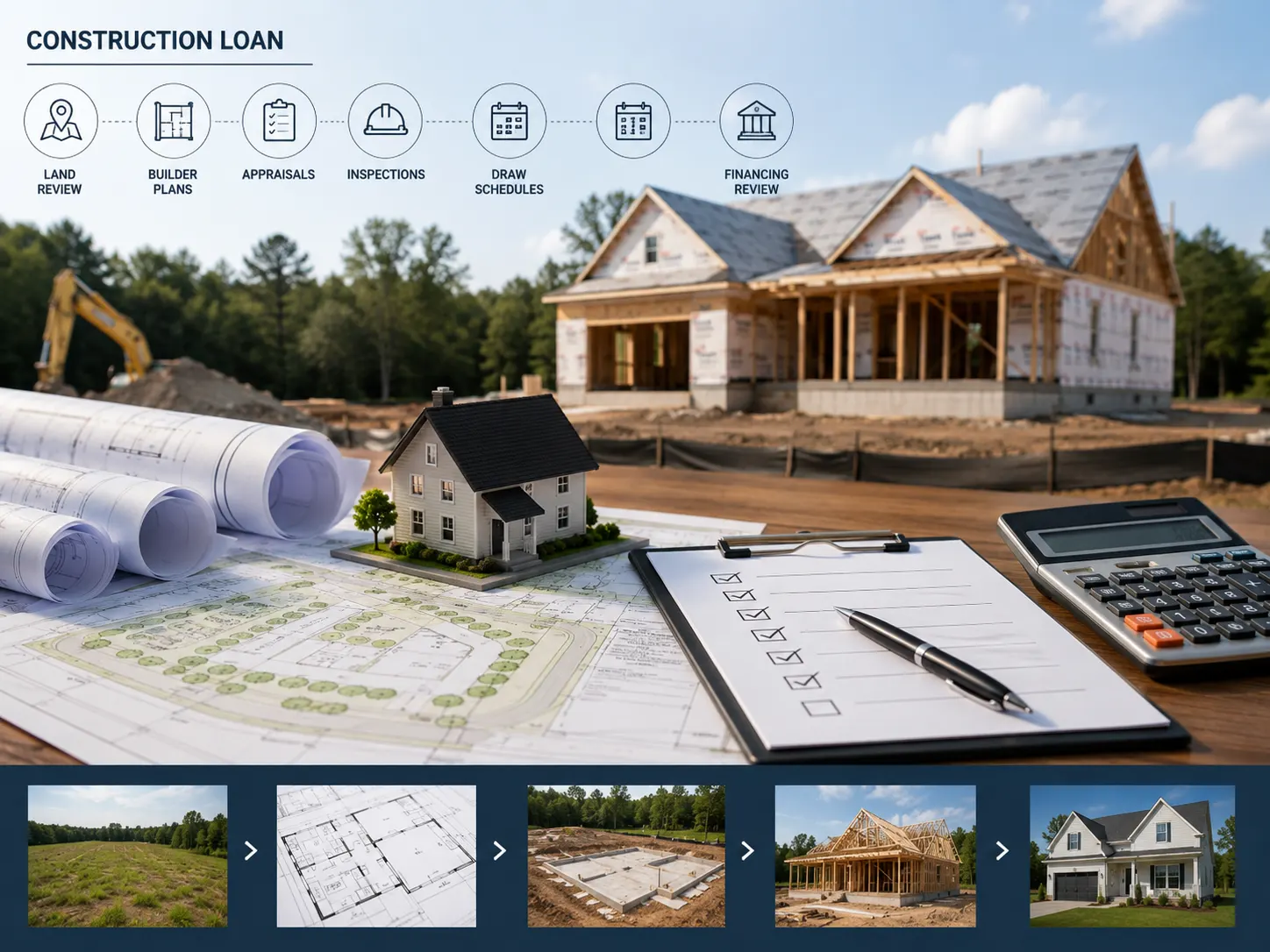
FHA construction financing may be structured differently depending on the lender, program rules, property type, and project details. The main idea is that the financing must support both the construction phase and the permanent mortgage phase, if the program allows that structure.
A construction-to-permanent loan may allow construction financing to convert into permanent mortgage financing after completion, subject to FHA and lender requirements. A one-time close structure may combine construction and permanent financing into one closing when available.
Some buyers already own land. Others may want to purchase land as part of the overall project. Either way, the lender may need to review land value, title status, zoning, access, utilities, flood zone details, and whether the land can support the proposed home.
The lender may also request builder information, plans, specifications, cost breakdowns, contract details, appraisal documents, title review, permits, and a construction timeline. HUD has issued construction-to-permanent and building on own land guidance that can help mortgage professionals review policy direction.
Draw schedules and inspections may be used to release construction funds as work is completed. Buyers should not sign a builder contract or buy land before confirming the financing options available for their file.
What FHA Construction Loan Requirements Should Buyers Understand?
An FHA construction loan review usually includes both borrower requirements and project requirements. Buyers should be ready for a more detailed review than a standard existing-home purchase.
FHA Construction Loan Factor | What It Means | Why It Matters |
|---|---|---|
Borrower eligibility | The buyer must meet FHA and lender requirements. | Credit, income, debts, assets, and underwriting still matter. |
Land or lot status | The land must be reviewed for title, access, zoning, and project fit. | Land issues can delay or stop financing. |
Builder review | The lender may review the builder or contractor before approval. | Not every builder or construction setup may be acceptable. |
Construction contract | The agreement should show scope, costs, responsibilities, and timeline. | The contract helps the lender evaluate project feasibility. |
Plans and specifications | Plans help define the home being built. | They support appraisal and construction review. |
Appraisal | The appraisal may be based on plans and as-completed value. | The property value must support the proposed loan. |
Draw schedule | Funds may be released during construction after progress checks. | Draw timing affects builder payment and project management. |
FHA mortgage insurance | FHA loans usually include mortgage insurance premiums. | MIP can affect monthly payment and long-term cost. |
Closing costs | Costs may include lender, title, appraisal, prepaid, and construction-related items. | Buyers should review cash to close before signing contracts. |
Best next step | Confirm lender availability and get pre approved early. | This helps avoid land, builder, and financing surprises. |
Requirements can change and may vary by program, lender, borrower profile, builder, land status, local code, project details, appraisal, title, and underwriting findings.
How Do Credit Score, Income, and DTI Affect FHA Construction Financing?
FHA loans may be considered by buyers who need more credit flexibility, subject to FHA and lender requirements. FHA construction financing still requires a full borrower review.
HUD’s Basic Home Mortgage Loan 203(b) page explains that borrowers must meet FHA credit qualifications. Construction-related FHA financing may add project review on top of the borrower review.
Credit score alone does not guarantee approval. Lenders may review credit history, payment patterns, income, employment, assets, monthly debts, down payment source, cash reserves, project details, and underwriting findings.
Debt-to-income ratio, often called DTI, compares monthly debts with qualifying income. Construction projects may require careful review of cash to close, reserves, future payment comfort, and construction-related timing.
Before applying, buyers can review credit reports through AnnualCreditReport.com to check for errors, outdated information, or accounts that may need attention.
What Should Buyers Know About Builders, Land, and Construction Contracts?
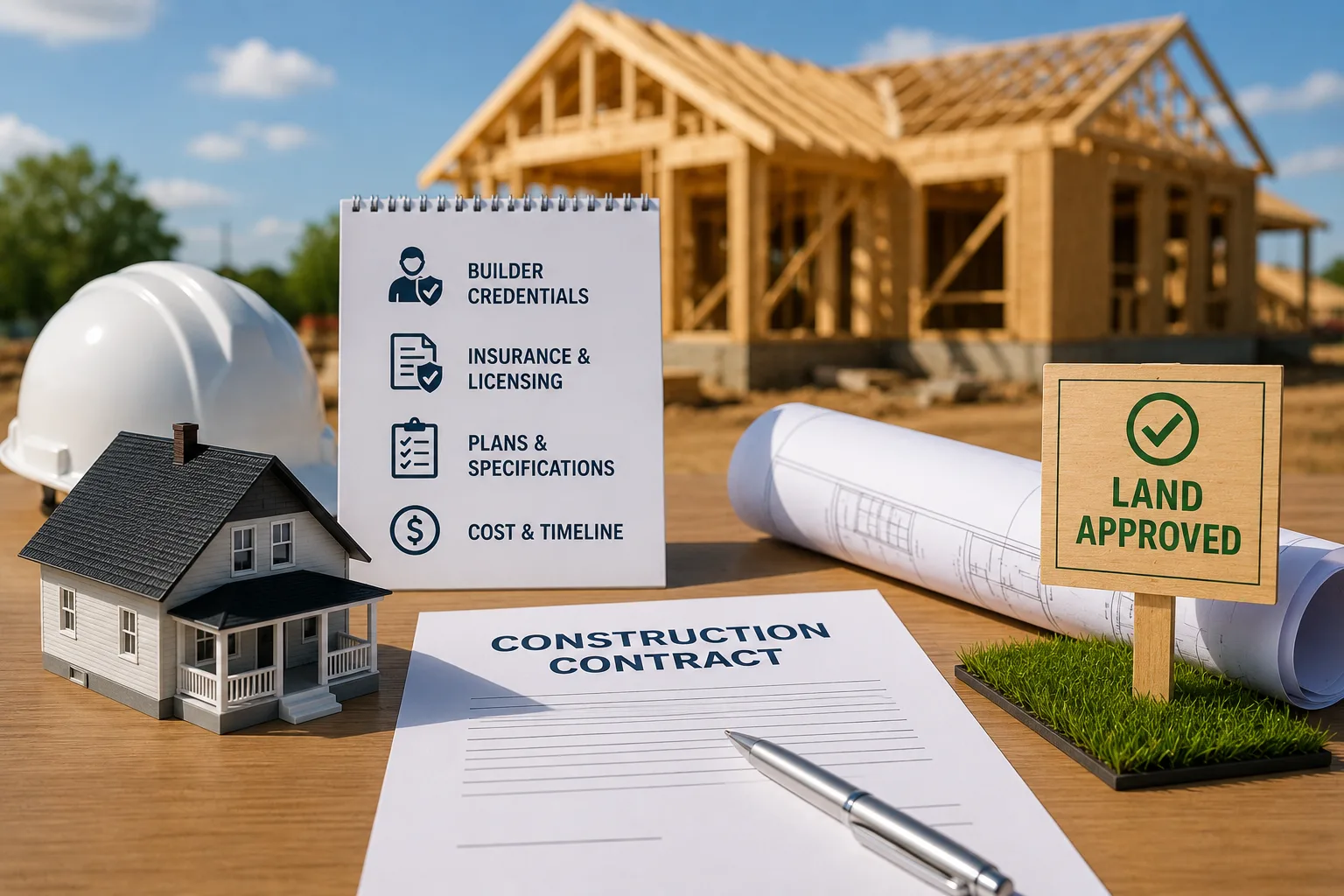
Builder and contractor review can be a major part of FHA construction financing. A lender may need to understand who is building the home, what experience they have, what the contract says, and whether the project is realistic under the loan structure.
Lenders may review builder credentials, insurance, licensing if applicable, cost breakdowns, construction timelines, plans, specifications, and project feasibility. A builder that works well for a cash buyer may not automatically fit every FHA construction loan file.
Land or lot details can also affect financing. If the buyer already owns land, the lender may review title, value, liens, access, utilities, zoning, flood zone, survey details, and whether the land can support the proposed home.
If the buyer wants to buy land as part of the project, the purchase structure may need review before an offer is written. Land loans and construction loans are not always handled the same way as standard home purchases.
A construction contract should be reviewed before relying on a loan path. Buyers should ask whether the builder is acceptable to the lender before signing a final contract or paying large nonrefundable deposits.
Construction delays, change orders, cost overruns, permit issues, inspection results, and weather can affect timing. These risks do not automatically stop a loan, but they should be discussed before the buyer depends on a specific timeline.
How Do Appraisal, Inspections, and Draw Schedules Work?
FHA construction financing may require an appraisal based on plans, specifications, and as-completed value. The appraiser may review the site, proposed home, marketability, comparable sales, plans, and FHA standards.
The project may need to meet safety, soundness, and security expectations under FHA rules. HUD’s Federal Housing Administration resources can help buyers understand broader FHA program information.
Mortgage professionals may also reference the FHA Single Family Housing Policy Handbook for FHA single-family policy guidance. Buyers should still rely on their lender for file-specific interpretation.
Inspections may be used during construction and at completion. Draw schedules may be used to release construction funds after progress is verified, depending on the loan structure and lender process.
A certificate of occupancy, final inspection, or completion documentation may be required before the loan is fully finalized. Buyers should not assume the project qualifies before appraisal, title, builder, inspection, and underwriting review.
Before choosing land or a builder, a loan review can help you understand whether the project structure may fit FHA financing. This can reduce the risk of committing to a project before the financing path is clear.
Review FHA Construction Loan Options
How Are FHA Construction Loans Different From FHA 203(k) Loans?
Some buyers searching for an FHA Construction Loan may actually need renovation financing instead of ground-up construction financing. This is where FHA 203(k) is often misunderstood.
FHA 203(k) is generally designed for purchasing or refinancing and rehabilitating an existing home. HUD explains that the 203(k) Rehabilitation Mortgage Insurance Program covers the purchase or refinance and rehabilitation of a home that is at least a year old.
FHA 203(k) should not be treated as the same thing as a ground-up new construction loan. Limited 203(k) and Standard 203(k) options may apply to renovation needs, subject to program rules and lender requirements.
New construction financing may involve builder contracts, construction draws, land review, plans, inspections, and completion requirements. Renovation financing may involve a repair scope, contractor bids, consultant review when required, and escrowed repair funds.
Buyers should confirm whether they are building a new home or renovating an existing property before choosing a loan path. The right option depends on the property, project type, borrower profile, lender availability, and underwriting.
How Do FHA Construction Loan Costs and Mortgage Insurance Work?
FHA construction loan costs may include lender fees, appraisal fees, inspection-related costs, title fees, recording fees, prepaid items, escrow setup, builder-related documentation costs, and FHA mortgage insurance when applicable.
FHA loans usually include upfront mortgage insurance premium and annual mortgage insurance premium, depending on current rules. HUD provides FHA mortgage insurance premium information for borrowers who want to understand MIP structure.
Construction financing may have different timing and cost details than a standard FHA purchase. Buyers should compare cash to close, monthly payment, construction timeline, MIP, long-term cost, and Loan Estimate details.
The CFPB’s Loan Estimate explainer can help buyers review estimated loan terms, projected payment, closing costs, and cash to close.
Buyers should not assume construction financing has the same costs as a standard FHA purchase. Closing costs, construction costs, monthly payment, and final loan terms are not guaranteed.
What Mistakes Should Buyers Avoid With FHA Construction Loans?
FHA construction financing can be useful for some buyers, but mistakes can create delays or disappointment. The biggest issue is assuming the loan will work before the lender reviews the borrower, builder, land, and project.
Assuming every lender offers FHA construction loans
Assuming FHA approval is automatic
Assuming every builder qualifies
Buying land before confirming financing
Signing a builder contract before loan review
Confusing FHA construction financing with FHA 203(k)
Ignoring land, title, access, zoning, and utilities
Ignoring permits and local code requirements
Ignoring construction delays and change orders
Comparing only the down payment
Ignoring FHA MIP
Ignoring cash to close
Ignoring closing costs
Not reviewing the Loan Estimate
Not reviewing the Closing Disclosure
Not checking credit before applying
Not comparing FHA with conventional, VA, USDA, refinance, or down payment assistance options
Buyers should confirm the loan structure, builder, land, contract, appraisal path, draw schedule, and full loan fit before assuming FHA construction financing will work.
What Real-Life FHA Construction Loan Scenarios Can Tulsa Buyers Learn From?
Could a Tulsa First-Time Buyer Use FHA Financing to Build a Home?
A Tulsa first-time buyer may want to build a home and use FHA financing because of flexible credit or down payment options. In this hypothetical example, the buyer should review credit, income, down payment, builder requirements, FHA MIP, plans, cash to close, and lender availability before selecting a builder.
This example does not guarantee approval, builder acceptance, land acceptance, construction completion, payment, or closing costs. Final results depend on the borrower, builder, land, lender, appraisal, inspections, title review, and underwriting.
Could a Broken Arrow Buyer Need to Review Land Before Applying?
A Broken Arrow buyer may already own land or may want to buy land before building. Before relying on FHA construction financing, the buyer should review title status, access, utilities, zoning, flood zone, surveys, appraisal path, and lender rules.
Land that looks suitable online may still need detailed review. Buyers should confirm financing before buying land or signing a construction agreement.
Could an Owasso Buyer Compare FHA Construction, VA Construction, USDA, and Conventional Options?
An Owasso buyer may compare FHA construction financing with conventional, VA, USDA, and other loan options. The right path can depend on eligibility, property type, land status, income, down payment, construction timeline, and long-term goals.
No single loan option is automatically better for every borrower. A full review can help compare loan structure, cash to close, mortgage insurance, builder rules, land review, and payment comfort.
How Should Buyers Prepare Before Choosing FHA Construction Financing?
Preparing early can help buyers avoid choosing land, a builder, or a construction contract before the loan path is clear. FHA construction financing requires both borrower review and project review.
Helpful items to review include:
FHA loan eligibility
Mortgage pre approval
Credit score and credit history
Income documents and employment history
Monthly debts and debt-to-income ratio
Down payment funds and cash reserves
Gift funds if applicable
Cash-to-close expectations
Land or lot status
Title review
Access, utilities, zoning, and permits
Builder information
Construction contract
Plans, specifications, and cost breakdown
Draw schedule expectations
Appraisal and inspection requirements
FHA MIP and loan limits
Closing costs, Loan Estimate, and Closing Disclosure
Long-term affordability and construction timeline
The CFPB’s Closing Disclosure explainer can help buyers understand final loan terms and closing costs before signing final documents.
Buyers can compare FHA loan options, broader home loan programs, mortgage pre approval, and first-time home buyer guidance before choosing a construction path.
Some buyers may also want to compare conventional loan options, VA loan options, or USDA loan options if those programs may fit better.
If you are thinking about building, a pre approval review can help you understand whether the land, builder, project, and loan structure may fit before you move forward.
Review FHA Construction Loan Options
What Questions Do Tulsa Buyers Ask About FHA Construction Loans?
What Is an FHA Construction Loan?
An FHA Construction Loan usually means FHA financing connected to building a home, construction-to-permanent financing, or another construction-related loan structure. The buyer, builder, land, appraisal, title, and underwriting still need review.
Can FHA Financing Be Used to Build a House?
FHA financing may be used in some eligible construction-related situations, depending on lender availability, borrower qualification, builder review, land review, appraisal, and underwriting.
Is an FHA Construction Loan the Same as an FHA 203(k) Loan?
No. FHA construction financing may involve building a new home, while FHA 203(k) is generally used for purchasing or refinancing and rehabilitating an existing property.
Does Every Lender Offer FHA Construction Loans?
No. FHA construction loan availability can vary by lender. Buyers should ask early whether the lender offers FHA construction-to-permanent or one-time close construction options.
Do FHA Construction Loans Require Builder Approval?
Builder review may be required, depending on the lender and loan structure. The lender may review builder credentials, contract details, insurance, licensing if applicable, cost breakdowns, and project feasibility.
What Credit Score Do I Need for an FHA Construction Loan?
Credit requirements can vary by FHA rules, lender overlays, and underwriting findings. Credit score alone does not guarantee approval because lenders also review income, debts, assets, and project details.
Does FHA Construction Financing Require Mortgage Insurance?
FHA loans usually include mortgage insurance premiums, including upfront MIP and annual MIP depending on current rules. Buyers should compare MIP with monthly payment, cash to close, and long-term goals.
Should I Get Pre Approved Before Choosing Land or a Builder?
Yes. Buyers should get pre approved before buying land, signing a builder contract, or making a construction-related offer. Pre approval can help review eligibility, loan structure, cash to close, and next steps.
What Should Buyers Know Before Relying on This FHA Construction Loan Guide?
FHA Construction Loan information is educational only and should be reviewed for accuracy by a licensed mortgage professional before publishing or relying on it for a loan decision.
FHA construction financing does not guarantee approval, builder acceptance, land acceptance, appraisal approval, lower payment, savings, lower rate, lower closing costs, construction completion, timeline, or final loan terms.
Loan approval depends on credit, income, debt, assets, down payment, project type, land status, builder review, property value, title status, loan program rules, lender requirements, appraisal, inspections, market conditions, and underwriting.
Information may change, so buyers should confirm current FHA guidelines, construction-to-permanent rules, FHA 203(k) rules, builder requirements, MIP rules, closing costs, and program requirements before making a final decision.
Last Updated: 4th June 2026
Reviewed By: Alfredo Madrid , NMLS #266006